



The way businesses interact with their customers has evolved significantly over the years. From traditional brick-and-mortar stores to e-commerce platforms, customer service has become an integral part of every successful business. One of the key components of delivering exceptional customer service is having an efficient contact center. In the past, contact centers relied on manual processes to handle incoming calls, which often resulted in long wait times and frustrated customers. However, with the advent of technology, contact centers now have access to powerful tools such as Automatic Call Distribution (ACD) systems that have revolutionized the way calls are managed and routed. In this article, we will explore the evolution of contact centers and the power of Automatic Call Distribution.
Table of Contents
ToggleIntroduction
Contact centers have come a long way from their humble beginnings. In the past, businesses relied on small teams of customer service representatives who manually handled incoming calls using basic telephone systems. As businesses grew and customer demands increased, it became clear that a more efficient and scalable solution was needed. This led to the development of contact centers, specialized departments dedicated to handling customer inquiries, complaints, and support requests.
With the rise of the internet and the increasing popularity of e-commerce, the need for efficient contact centers became even more critical. Customers now have multiple channels to reach out to businesses, including phone calls, emails, live chats, and social media. As a result, contact centers had to adapt and evolve to handle the growing volume of customer interactions. This is where Automatic Call Distribution systems came into play.
Benefits of Automatic Call Distribution
Automatic Call Distribution systems offer a wide range of benefits to both businesses and customers. One of the primary advantages is improved call routing efficiency. Instead of relying on manual processes to direct calls to the right agent, ACD systems use intelligent algorithms to analyze various factors and determine the most appropriate agent to handle each call. This ensures that customers are connected to the right person who can address their specific needs, reducing the need for call transfers and improving first-call resolution rates.
Another significant benefit of ACD systems is the reduction in wait times for customers. By intelligently distributing calls among available agents, ACD systems can minimize the time customers spend on hold, leading to a more positive customer experience.
Additionally, ACD systems can provide customers with options such as call-back queues, where they can choose to be called back instead of waiting on hold. This feature not only improves customer satisfaction but also allows businesses to manage call volumes more efficiently during peak times.
How Automatic Call Distribution Works
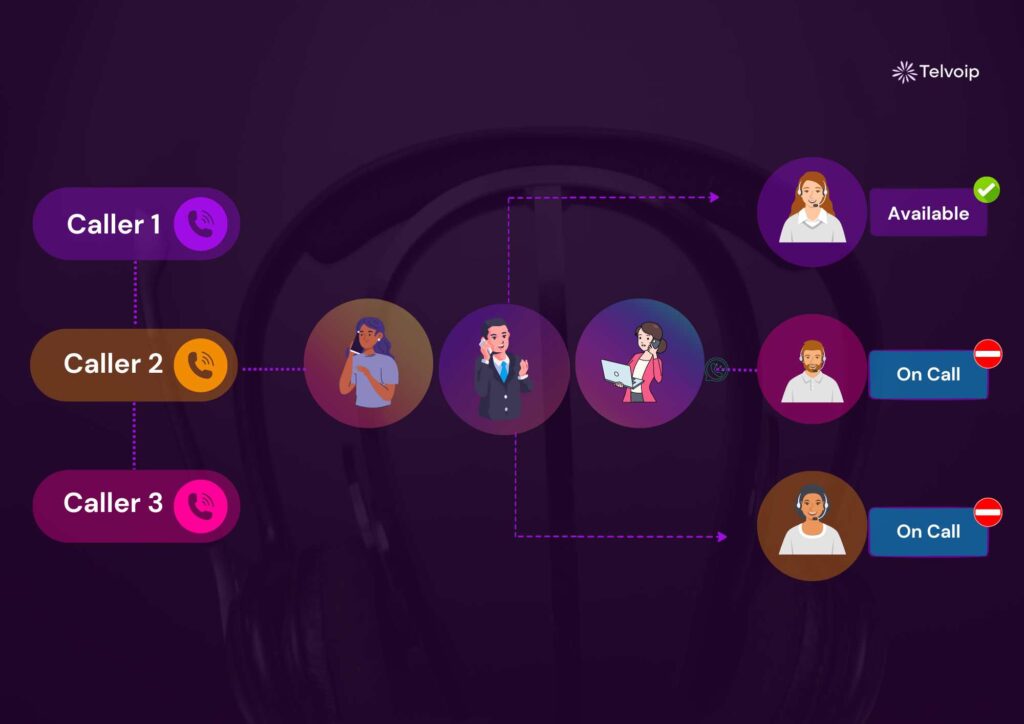
At its core, Automatic Call Distribution is a technology that routes incoming calls to the most appropriate agent based on predetermined criteria such as availability, skill set, and workload. When a call comes in, the ACD system analyzes these criteria and uses a set of rules to determine the best agent to handle the call. These rules can be customized based on the unique needs of each business.
To facilitate call routing, ACD systems use various methods such as skills-based routing, time-based routing, and queue prioritization. Skills-based routing involves assigning specific skills or expertise to agents and routing calls accordingly. For example, a customer calling with a technical issue would be routed to an agent with technical expertise.
Time-based routing ensures that calls are distributed evenly among agents, taking into account factors such as agent availability and call volumes. Queue prioritization allows businesses to prioritize certain types of calls over others, ensuring that critical or high-value calls are handled promptly.
Features of Automatic Call Distribution Systems
Automatic Call Distribution systems offer a wide range of features and capabilities that enhance the efficiency and effectiveness of contact centers. Some of the key features include:
- Intelligent Call Routing: ACD systems use intelligent algorithms to analyze caller data and route calls to the most appropriate agent based on predefined criteria.
- Real-time Monitoring: Supervisors and managers can monitor call queues, agent performance, and other metrics in real-time, allowing them to make informed decisions and optimize call handling.
- Call Analytics and Reporting: ACD systems provide detailed analytics and reporting capabilities, allowing businesses to gain insights into call volumes, agent performance, and customer satisfaction levels.
- Integration with CRM Systems: ACD systems can be integrated with Customer Relationship Management (CRM) systems, enabling agents to access customer information and history during calls, leading to more personalized interactions.
- Interactive Voice Response (IVR): ACD systems often include IVR functionality, which allows customers to navigate through a menu system and provide information before being connected to an agent. This helps streamline the call handling process and reduce call durations.
Call Recording and Quality Monitoring: ACD systems can record calls for training and quality assurance purposes. Supervisors can review call recordings to assess agent performance, identify areas for improvement, and ensure compliance with company policies.
Choosing the Right Automatic Call Distribution System for Your Business
Selecting the right Automatic Call Distribution system for your business is crucial to ensure optimal performance and a seamless customer experience. Here are some factors to consider when choosing an ACD system:
- Scalability and Flexibility: Look for a system that can scale with your business as it grows. The system should be flexible enough to adapt to your changing needs and integrate with other communication channels.
- Integration Capabilities: Consider the compatibility of the ACD system with your existing infrastructure, particularly your CRM system. Seamless integration can significantly improve agent productivity and the overall customer experience.
- Ease of Use: Choose an ACD system that is intuitive and user-friendly. Agents and supervisors should be able to navigate the system easily and access the necessary information without any complications.
- Reporting and Analytics: Evaluate the reporting and analytics capabilities of the ACD system. Look for features that provide actionable insights into call volumes, agent performance, and customer satisfaction levels.
Support and Maintenance: Consider the level of support and maintenance provided by the ACD system vendor. Ensure that there is a reliable support team available to address any issues or concerns that may arise.
Best Practices for Implementing and Managing an Automatic Call Distribution System
Implementing and managing an Automatic Call Distribution system requires careful planning and execution. Here are some best practices to consider:
- Define Your Call Routing Strategy: Before implementing an ACD system, clearly define your call routing strategy based on your business goals and customer needs. Determine the criteria for routing calls and design the system accordingly.
- Train and Educate Agents: Provide comprehensive training to agents on how to effectively use the ACD system. Ensure that they understand how calls are routed, how to access customer information, and how to leverage the system’s features to deliver exceptional customer service.
- Regularly Monitor and Analyze Performance: Continuously monitor and analyze the performance of the ACD system and individual agents. Identify areas for improvement and take necessary actions to optimize call handling and customer satisfaction.
- Regularly Update and Maintain the System: Keep the ACD system up to date with the latest software updates and patches. Regularly maintain and optimize the system to ensure optimal performance and minimize downtime.
- Seek Customer Feedback: Actively seek feedback from customers regarding their experience with the ACD system. Use this feedback to identify areas for improvement and make necessary adjustments to enhance the customer experience.
Contact Center Technology
- Artificial Intelligence (AI) and Natural Language Processing (NLP): AI and NLP technologies play a significant role in enhancing ACD systems. These technologies can analyse customer conversations in real-time, understand customer sentiment, and provide agents with personalized recommendations to improve customer interactions.
- Omnichannel Support: Contact centers are increasingly adopting omnichannel support, allowing customers to seamlessly transition between different communication channels while maintaining context.
- Integration with Chatbots and Virtual Assistants: ACD systems can integrate with chatbots and virtual assistants to handle routine customer inquiries and provide self-service options. This integration can help reduce agent workload and improve response times for simple queries.
- Predictive Analytics: ACD systems leverage predictive analytics to anticipate customer needs and proactively route calls to the most appropriate agent. These systems can analyze historical data, customer behavior, and other relevant factors to optimize call routing and improve customer satisfaction.
Conclusion
Automatic Call Distribution has transformed the way contact centers software providers operate, offering numerous benefits to businesses and customers alike. By intelligently routing calls, reducing wait times, and improving first-call resolution rates, ACD systems have become essential tools in delivering exceptional customer service. As technology continues to evolve, ACD systems will continue to evolve, incorporating advanced features and capabilities to further enhance the customer experience. Businesses that embrace and leverage the power of Automatic Call Distribution will undoubtedly gain a competitive edge in the ever-changing landscape of customer service.



[…] with existing systems allows businesses to leverage their existing infrastructure while enhancing call centre functionalities. Telvoip’s customisable Interactive Voice Response (IVR) systems enable […]
new google voice number free
Email CTAs drive subscriber actions.