Introduction
With increased competition and endless digital alternatives, customer churn is one of the biggest challenges facing banks and fintechs today. Customers are quick to switch providers after just one poor experience. In fact, studies show that nearly 60% of customers stop using a financial service after a single negative interaction.
To win loyalty in this environment, banks and fintechs must go beyond offering products; they need to deliver connected, seamless, and personalized customer experiences that meet the evolving needs of their customers. That’s where omnichannel communication comes in.
By using omnichannel systems powered by platforms like Telvoip, financial institutions can unify all customer touchpoints, phone calls, SMS, email, live chat, WhatsApp, and in-app messages into one intelligent interface. This not only improves responsiveness but also builds trust and consistency, helping reduce churn and increase long-term loyalty.

What Is Omnichannel Communication?
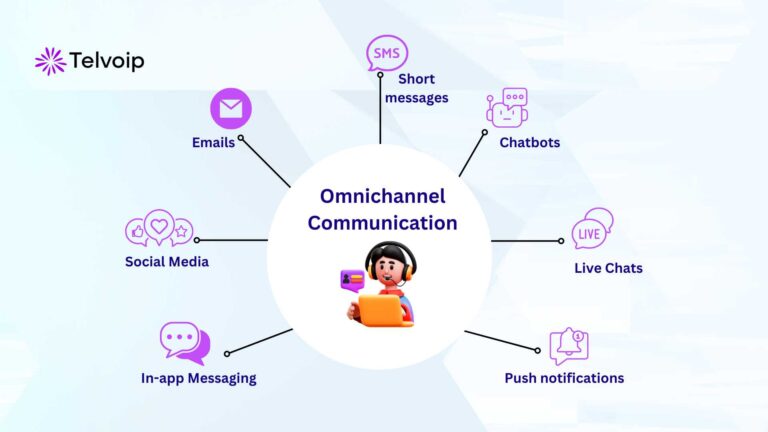
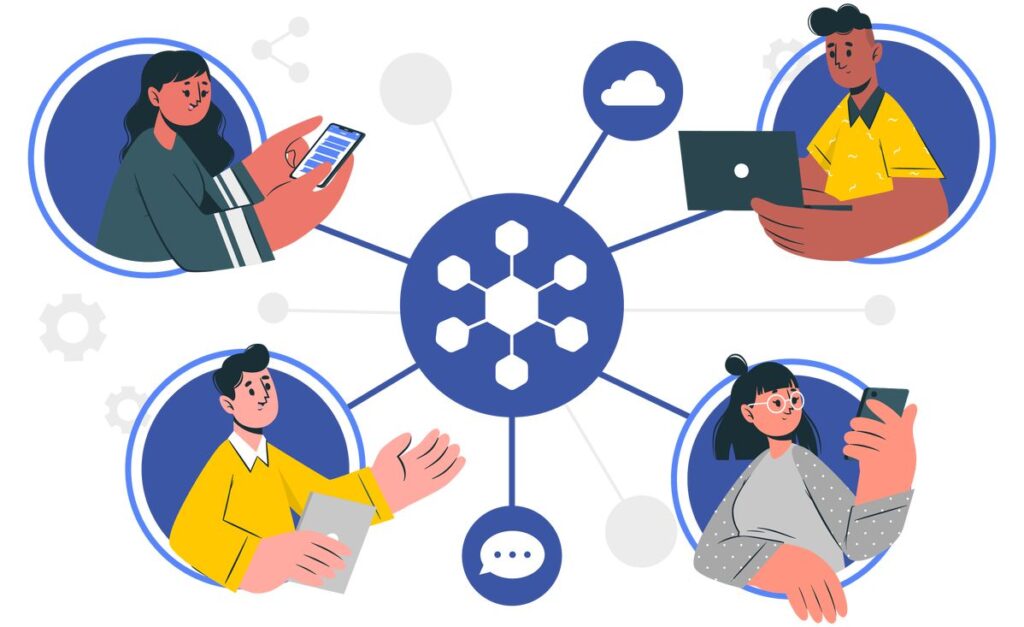
Omnichannel communication connects all your customer interaction points, voice, email, chat, SMS, WhatsApp, and social messaging into one unified platform. Unlike multichannel approaches that simply offer customers multiple platforms to interact with, omnichannel communication unifies these channels into a cohesive experience. Whether customers engage through mobile apps, websites, phone calls, chat, social media, or even physical branches, the information and interaction context remain consistent. This means customers don’t have to repeat themselves or re-enter information as they switch channels, significantly reducing frustration
This gives your support agents a 360° view of the customer, enabling them to respond faster and more accurately.
Telvoip makes this integration seamless for banks and fintechs by offering:
- A unified call center dashboard to manage all inbound and outbound interactions.
- CRM integration for full visibility into customer history.
- Advanced analytics that track call performance, response time, and customer sentiment.
Understanding Customer Churn in Banking and Fintech
Customer churn happens when clients stop using a product or service, often due to frustration, poor communication, or lack of support. In financial services, churn can stem from:
- Slow response times during critical support moments.
- Repetitive communication (customers having to explain issues multiple times).
- Unresolved complaints or lack of personalization.
- Disconnected communication channels and poor follow-up.
Today’s customers expect banks and fintechs to provide quick, contextual, and accessible support across multiple channels. Failing to meet those expectations not only causes dissatisfaction it also drives customers straight into competitors’ arms.

Why Omnichannel Matters for Banks and Fintechs
Modern consumers expect the same convenience and personalization from their financial providers that they get from top ecommerce and tech brands. Omnichannel communication meets these expectations by:
- Providing a unified customer view: Banks and fintechs gather and integrate customer data from all touchpoints, enabling a 360-degree profile. This allows personalized messaging and service tailored to each customer’s unique behaviors and needs.
- Enabling real-time, relevant interactions: AI-powered analytics help identify customers who may be at risk of leaving and trigger proactive retention journeys like timely alerts, personalized offers, or problem resolution outreach.
- Enhancing accessibility and flexibility: Customers can manage their finances anytime, anywhere, across digital and physical channels. This inclusivity reduces barriers to engagement, especially for underserved populations.
Tangible Benefits to Reduce Churn
- Seamless, consistent support: Customers receive the same high-quality service across channels, whether it’s a chatbot handling standard queries or a human agent resolving complex issues. This balance between automation and human touch drives satisfaction.
- Personalized engagement: Leveraging advanced data analytics, banks deliver the right product recommendations and financial advice, increasing loyalty and trust.
- Operational efficiency: Centralized orchestration of campaigns and communication reduces duplication and cost to serve, enabling more focused retention efforts.
How Omnichannel Communication Reduces Customer Churn
- Faster Response and Real-Time Support
Nothing frustrates customers more than long wait times. Omnichannel systems eliminate that friction by routing conversations to the right agents instantly.
For instance, a fintech customer might start a loan query via WhatsApp and continue it over a call without repeating details.
- Telvoip’s smart call routing and unified messaging features make this fluid communication possible, ensuring every interaction feels continuous and personal.
- Personalized Customer Experiences
Personalization builds loyalty. By gathering data from all touchpoints, omnichannel systems enable agents to tailor responses and offers based on a customer’s preferences and behavior.
Through Telvoip’s CRM integrations, agents can see the full history of calls, chats, and transactions so they always know who they’re talking to and what the customer needs. This kind of context-driven interaction helps customers feel valued, not just serviced.
- Proactive Engagement and Retention
Retention starts with proactive communication. Whether it’s a payment reminder, fraud alert, or new offer notification, reaching out at the right moment strengthens relationships.
With Telvoip’s IVR and SMS automation, banks and fintechs can automatically send timely updates and alerts, keeping customers informed and engaged. Proactive communication prevents silent churn by addressing issues before they escalate.
- Consistent Brand Experience Across Channels
Customers should have the same high-quality experience whether they’re talking to you on the phone, email, or WhatsApp. Omnichannel communication ensures brand consistency in tone, service quality, and messaging.
By using Telvoip’s unified platform, financial brands can manage communication templates, monitor conversations, and maintain uniform standards across every touchpoint. Consistency fosters trust, and trust keeps customers loyal.
- Data-Driven Insights for Continuous Improvement
Omnichannel communication generates valuable data about customer interactions. Banks and fintechs can analyze this information to identify pain points, measure satisfaction, and predict churn.
Telvoip’s analytics dashboard provides detailed insights into call duration, missed call trends, response times, and sentiment. These insights help managers make data-backed decisions that improve efficiency and customer experience over time.
Real-World Applications
- Fintech Onboarding: A digital wallet startup uses Telvoip to manage real-time onboarding through WhatsApp and voice calls, cutting drop-offs by 40%.
- Customer Support: A neobank integrates Telvoip analytics with its CRM to detect customers showing signs of churn and automatically trigger retention follow-ups.
- Loyalty Campaigns: A credit provider uses Telvoip SMS automation to send personalized loyalty offers, increasing repeat usage and referrals.

Best Practices for Implementing Omnichannel Communication
Building an effective omnichannel communication strategy takes more than just connecting channels; it requires a shift in how your organization understands, manages, and serves customers. For banks and fintechs, where customer trust and timely service are everything, these best practices can make all the difference:
- Integrate All Communication Channels Into a Unified System
The foundation of an omnichannel strategy is integration. Every channel, voice calls, SMS, WhatsApp, email, live chat, and in-app messaging should feed into one centralized platform. This ensures every interaction is logged, tracked, and visible to support teams in real time.
With Telvoip’s unified dashboard, agents can view all interactions in one place, regardless of where the conversation began. For instance, if a customer initiates a loan inquiry via WhatsApp and later calls for clarification, Telvoip provides the full chat history, allowing the agent to continue seamlessly. Integration eliminates silos, reduces repetitive conversations, and boosts customer satisfaction.
- Align Omnichannel Tools With Your CRM and Core Banking Systems
A powerful omnichannel setup connects with your customer relationship management (CRM) or core banking software. This connection allows teams to access transaction histories, account details, and customer preferences while communicating.
Through Telvoip’s CRM integrations, every call or message is automatically linked to a customer profile. This helps agents deliver informed, personalized assistance like suggesting better account options, flagging issues early, or addressing churn signals before they escalate.
- Train and Empower Your Customer Service Teams
Even with the best technology, the human element remains key. Train your agents not just on how to use the tools, but how to interpret context across multiple channels. Encourage empathy, problem-solving, and a consistent tone of voice.
Telvoip’s call recording and analytics features can be used to review real interactions, identify skill gaps, and provide targeted coaching. This ensures your agents represent your brand consistently, regardless of whether they’re responding via phone, chat, or email.
- Automate Repetitive Processes, But Keep the Human Touch
Automation should simplify, not replace, human engagement. Use AI-driven tools and workflows to handle repetitive tasks like sending payment reminders, transaction alerts, or onboarding messages. This saves time and ensures timely communication.
Telvoip’s IVR (Interactive Voice Response) and SMS automation tools allow banks and fintechs to automatically route calls or send customized alerts while still providing the option for live agent support. The balance of automation and human empathy helps reduce operational costs while keeping customers satisfied.
- Leverage Analytics to Understand and Reduce Churn
Omnichannel systems generate vast amounts of interaction data. Use this data to monitor response times, track complaint resolution, and identify early signs of dissatisfaction.
With Telvoip’s analytics dashboard, managers can monitor KPIs such as missed call rates, average handle times, call outcomes, and sentiment analysis. These insights allow organizations to take proactive action, like following up on dropped calls or reaching out to customers who expressed frustration, to prevent churn before it happens.
- Maintain Consistent Branding and Messaging
Every communication channel should reflect your brand’s tone, language, and values. Whether through an SMS notification or a customer service call, the experience should feel unified.
Using Telvoip’s centralized message templates and voice routing tools, teams can standardize messages, ensuring every touchpoint aligns with the brand’s professional image. Consistency not only builds trust but also reinforces your identity as a dependable financial partner.
- Prioritize Security and Compliance
For banks and fintechs, data privacy and regulatory compliance are non-negotiable. Omnichannel communication must protect sensitive information across every channel.
Telvoip provides enterprise-grade encryption, secure call routing, and compliance-ready infrastructure that meets financial sector standards. This ensures that customer data remains safe while maintaining the convenience of cross-channel communication.
- Continuously Gather Feedback and Optimize
Customer expectations evolve quickly, especially in digital banking. Regularly collect feedback through post-call surveys, chat reviews, or follow-up messages to measure satisfaction and identify areas for improvement.
By integrating Telvoip’s automated survey tools, banks and fintechs can gather insights after every interaction, helping teams refine scripts, improve workflows, and identify new engagement opportunities.
- Start Small, Then Scale Strategically
Instead of launching every channel at once, start with the most used customer touchpoints like voice, SMS, and WhatsApp, and gradually expand to others. This phased approach allows your team to learn, adapt, and improve before scaling.
With Telvoip’s scalable architecture, you can easily add new communication channels and users without downtime or complex reconfiguration. This ensures that as your customer base grows, your communication infrastructure grows with it.
- Measure ROI and Adjust Regularly
An omnichannel strategy isn’t static; it’s a continuous cycle of testing, analyzing, and refining. Measure your ROI not just in reduced churn, but in improved customer lifetime value (CLV), faster resolution times, and higher satisfaction scores.
Telvoip’s reporting suite provides visibility into every communication metric, allowing managers to quantify performance, identify patterns, and demonstrate the business value of unified communication.
In summary, implementing an omnichannel strategy is an ongoing process that blends technology, training, and customer empathy. For banks and fintechs, success lies in how well you integrate your systems, empower your teams, and leverage real-time data to serve customers better.
With Telvoip, you gain more than just a communication tool; you get a complete, secure, and intelligent ecosystem designed to help financial institutions deliver frictionless, consistent, and loyal customer experiences across every channel.

The ROI of Omnichannel Communication in Banking and Fintech
Investing in omnichannel communication isn’t just about improving customer experience; it’s about driving measurable business growth. When banks and fintechs create connected customer journeys, the results are tangible: lower churn, higher retention, improved operational efficiency, and stronger brand trust.
Here’s how omnichannel communication, especially when powered by Telvoip, delivers return on investment across multiple dimensions.
- Reduced Customer Churn and Higher Retention Rates
Customer churn is one of the most expensive problems in financial services. Acquiring a new customer can cost five times more than retaining an existing one. Omnichannel communication helps minimize churn by ensuring no customer inquiry or issue goes unresolved.
By using Telvoip’s unified communication platform, banks and fintechs can:
- Track every customer interaction, regardless of channel.
- Route calls and messages to the right departments instantly.
- Follow up automatically with customers who missed a call or abandoned a chat.
This proactive, responsive approach builds trust and reliability, two qualities that make customers stay. Many institutions see up to a 25–40% reduction in churn after adopting unified support systems.
- Increased Customer Lifetime Value (CLV)
The more connected and cared-for a customer feels, the more likely they are to use additional products or services. Omnichannel communication allows financial institutions to personalize outreach based on behavioral and transactional data.
For example:
- A fintech company can use Telvoip’s CRM integration to identify users who’ve frequently asked about savings or credit products and send tailored offers through SMS or WhatsApp.
- A digital bank can send automated notifications about new investment features to customers who’ve shown interest in wealth management.
Personalized communication drives cross-selling, upselling, and loyalty, boosting customer lifetime value and long-term profitability.
- Improved Agent Productivity and Reduced Operational Costs
Omnichannel systems streamline workflows by connecting multiple communication tools into one interface. This eliminates time wasted switching between apps, searching for information, or repeating customer details.
Telvoip’s all-in-one dashboard gives agents full visibility into ongoing conversations and customer data, helping them resolve issues faster and serve more customers in less time.
Additionally, features like IVR routing, automated callbacks, and AI-assisted chat support free up human agents to handle complex cases, reducing staffing pressure and support costs. Many financial organizations report a 20–30% reduction in customer service costs within the first year of adopting omnichannel solutions.
- Higher Customer Satisfaction (CSAT) and Net Promoter Scores (NPS)
Customer satisfaction is a leading indicator of loyalty. When customers can reach your brand through their preferred channel and get quick, consistent service, satisfaction naturally improves.
Telvoip’s call quality monitoring, post-interaction surveys, and analytics make it easy to measure satisfaction levels and identify trends. Banks and fintechs can use these insights to refine scripts, improve response times, and reward high-performing agents.
As satisfaction rises, NPS scores (the likelihood customers will recommend your brand) follow. A strong NPS translates directly into organic growth through word-of-mouth referrals, an overlooked ROI metric.
- Enhanced Decision-Making Through Data and Insights
Every customer interaction generates valuable data about preferences, needs, and pain points. Omnichannel systems consolidate this data into actionable insights that inform product development, marketing campaigns, and retention strategies.
Through Telvoip’s analytics dashboard, financial institutions can:
- Identify peak communication times and optimize staffing.
- Analyze churn triggers like unresolved complaints or slow response rates.
- Monitor regional or demographic trends in service usage.
By making decisions based on real-time communication data, organizations reduce guesswork and build data-driven strategies that directly contribute to revenue growth.
- Better Compliance and Reduced Risk
For banks and fintechs, regulatory compliance is critical. Omnichannel platforms like Telvoip offer secure call logging, encrypted communication, and detailed audit trails that help organizations meet compliance requirements with ease.
This reduces the risk of penalties, disputes, and data breaches, saving money in potential legal and operational costs. Moreover, having a transparent communication record builds trust with customers and regulators alike.
- Measurable ROI Metrics to Track
When evaluating the success of omnichannel communication, banks and fintechs should track the following key metrics:
- Churn rate before and after implementation
- Customer satisfaction (CSAT) and NPS improvement
- Average response and resolution times
- First contact resolution rate (FCR)
- Operational cost per interaction
- Customer lifetime value (CLV) growth
- Revenue from upselling or cross-selling campaigns
Telvoip’s reporting suite consolidates these KPIs into a single view, allowing managers to measure ROI in real time and make data-backed improvements continuously.
- Long-Term Strategic Benefits
Beyond immediate cost savings, omnichannel communication supports broader business goals:
- Stronger customer relationships built on trust and transparency.
- Higher brand equity through consistent, professional interactions.
- Scalability as the organization grows without communication breakdowns.
- Innovation readiness, enabling the integration of AI chatbots, voice analytics, and automation tools as customer expectations evolve.
By partnering with Telvoip, financial brands gain a future-ready communication infrastructure that grows with them, delivering sustainable ROI for years to come.
In summary, the financial return from omnichannel communication isn’t just found in cost savings, it’s in stronger relationships, smarter operations, and more loyal customers.
For banks and fintechs striving to stand out in an increasingly competitive market, Telvoip offers the tools, insights, and scalability needed to turn communication into a long-term growth engine.
ROI in numbers, loyalty in results. Telvoip helps you achieve both.
Conclusion
In today’s competitive financial landscape, customer retention isn’t just about having great products; it’s about offering effortless communication. As technology advances, we can expect omnichannel experiences to incorporate more conversational banking, deeper AI personalization, and faster, compliance-driven execution. The financial institutions investing in these technologies will stand out with lower churn rates, higher customer satisfaction, and increased lifetime value.
Omnichannel communication enables banks and fintechs to connect with customers on their preferred platforms, with consistency and context that drive loyalty, providing customers with seamless, personalized, and proactive support across all channels. This not only reduces frustration and churn but also boosts engagement, loyalty, and revenue growth, key to thriving in today’s digital financial marketplace
With Telvoip, financial brands can unify calls, messages, and digital conversations in one powerful platform, delivering faster responses, better personalization, and ultimately, lower churn.
Ready to build customer loyalty that lasts? Explore how Telvoip’s omnichannel communication platform can help your bank or fintech connect smarter and retain more customers.