


Table of Contents
ToggleIntroduction
A modern POS system is a comprehensive platform that integrates critical functions for the smooth operation of any business, including retail, hospitality services. It enhances operational efficiency and customer engagement through advanced features such as robust inventory management, sophisticated reporting tools, and customer relationship management (CRM) capabilities. These features allow businesses to track stock levels in real-time, ensure products are available when customers need them, and analyze customer data for personalized marketing strategies and loyalty programs.
The integration of mobile payment options and omnichannel capabilities allows businesses to engage customers at multiple interactions, enhancing convenience and satisfaction. Investing in a modern POS system like Telvoip is not just about upgrading payment processing; it’s about equipping your businesses with the tools necessary to grow by using technology to drive growth and enhance customer relationships.
Cloud-Based Capabilities
Cloud-based POS systems like Telvoip are transforming the way businesses access and manage their operational data. These systems enable real-time data access, allowing owners to monitor critical metrics like sales performance, inventory levels, and customer interactions from anywhere. This is particularly beneficial for businesses with multiple locations or remote management. The centralized storage of data in the cloud simplifies synchronization across devices, reducing technical complexities and costs associated with traditional POS systems. Automatic updates are another advantage of cloud-based POS systems.
They operate entirely online, allowing service providers to apply updates without user intervention. This ensures businesses always have access to the latest features and enhancements, and timely implementation of critical security patches, reducing vulnerabilities. The automatic nature of these updates minimizes downtime and allows businesses to operate continuously without interruptions. Cost efficiency is another advantage of cloud-based POS systems.
They operate on a subscription model, allowing businesses to pay only for the services they use, reducing initial expenses and eliminating the need for costly upgrades and installations. They can be easily scaled based on fluctuating needs without incurring additional costs associated with purchasing new equipment or software licenses. Cloud systems also allow businesses to use existing devices like tablets or smartphones as POS terminals, reducing the financial burden and allowing them to focus on growth and customer engagement.
Omnichannel Integration
A POS system that integrates with eCommerce platforms is essential for businesses operating in both online and offline environments. This system unifies inventory management, customer data, and sales metrics across physical and digital stores, ensuring accurate stock levels and a consistent customer experience. Real-time synchronization minimizes the risk of overselling or stock discrepancies, allowing businesses to implement flexible fulfillment options like buy online, pick up in-store, enhancing customer convenience and potentially reducing shipping costs.
Click-and-collect functionality is a key feature in modern POS systems that allows customers to order products online and pick them up at a physical store. This feature not only enhances the shopping experience but also caters to the growing demand for flexibility in how customers receive their purchases. Customized notifications and efficient pickup procedures can enhance customer engagement.
Centralized inventory management, when integrated with omnichannel sales strategies, simplifies the process of managing stock across various channels, including in-store, online, and social media platforms. This approach maintains accurate and real-time visibility of inventory levels, ensuring data reflects actual stock availability regardless of where a sale occurs. Centralized inventory control in a single system efficiently aggregates orders from all channels into one interface, reducing the likelihood of overselling or stockouts.
User-Friendly Interface
POS systems are designed with an intuitive interface that enhances efficiency and effectiveness, making it easier for staff to access necessary functions without extensive training. This is particularly beneficial in bustling environments like retail or hospitality. Clear menu structures and easily identifiable buttons allow employees to process transactions, handle returns, and manage inventory with minimal confusion, reducing errors during busy periods. This ease of use accelerates transaction times, enhances customer experience, and fosters a positive work environment.
Fast transaction processing is crucial for customer satisfaction and operational efficiency. A well-designed POS system should facilitate quick and seamless transactions, minimizing wait times and preventing long queues. Optimizing the checkout process through features like integrated payment processing, streamlined interface design, and efficient barcode scanning can significantly reduce transaction times. Modern POS systems can support contactless payments and mobile checkouts, enhancing transaction speed and catering to changing consumer preferences.
A customizable layout allows businesses to customize their interface to meet their specific operational needs, making it easier to access frequently used functions and products. This flexibility enhances staff efficiency, reduces time spent navigating complex menus, and improves customer satisfaction. It also minimizes training requirements for new employees, as they can quickly familiarize themselves with a layout designed specifically for their tasks.
Inventory Management
Automated stock tracking is a crucial feature in modern POS systems, allowing businesses to manage inventory efficiently and effectively. These systems monitor stock levels in real-time, reducing the risk of stockouts or overstock situations. When stock levels dip below predefined thresholds, alerts are sent to managers, prompting timely reordering and preventing disruptions in service or sales.
This automation frees up valuable time for staff, allowing them to focus on customer service. Multi-location inventory management is essential for businesses operating across multiple locations to maintain efficiency and meet customer demand. A modern POS system should enable real-time stock monitoring at different locations, facilitating effective coordination and management of inventory across all sites.
This allows businesses to quickly identify overstocked or understocked locations and facilitates seamless inventory transfer between locations. By creating, managing, and tracking multiple variants of the same product within a single interface, these systems simplify the complexities associated with offering a wide range of options. Modern POS systems can facilitate dynamic pricing strategies and promotions tailored to specific variants, allowing businesses to respond quickly to market trends and customer preferences.
Payment Flexibility
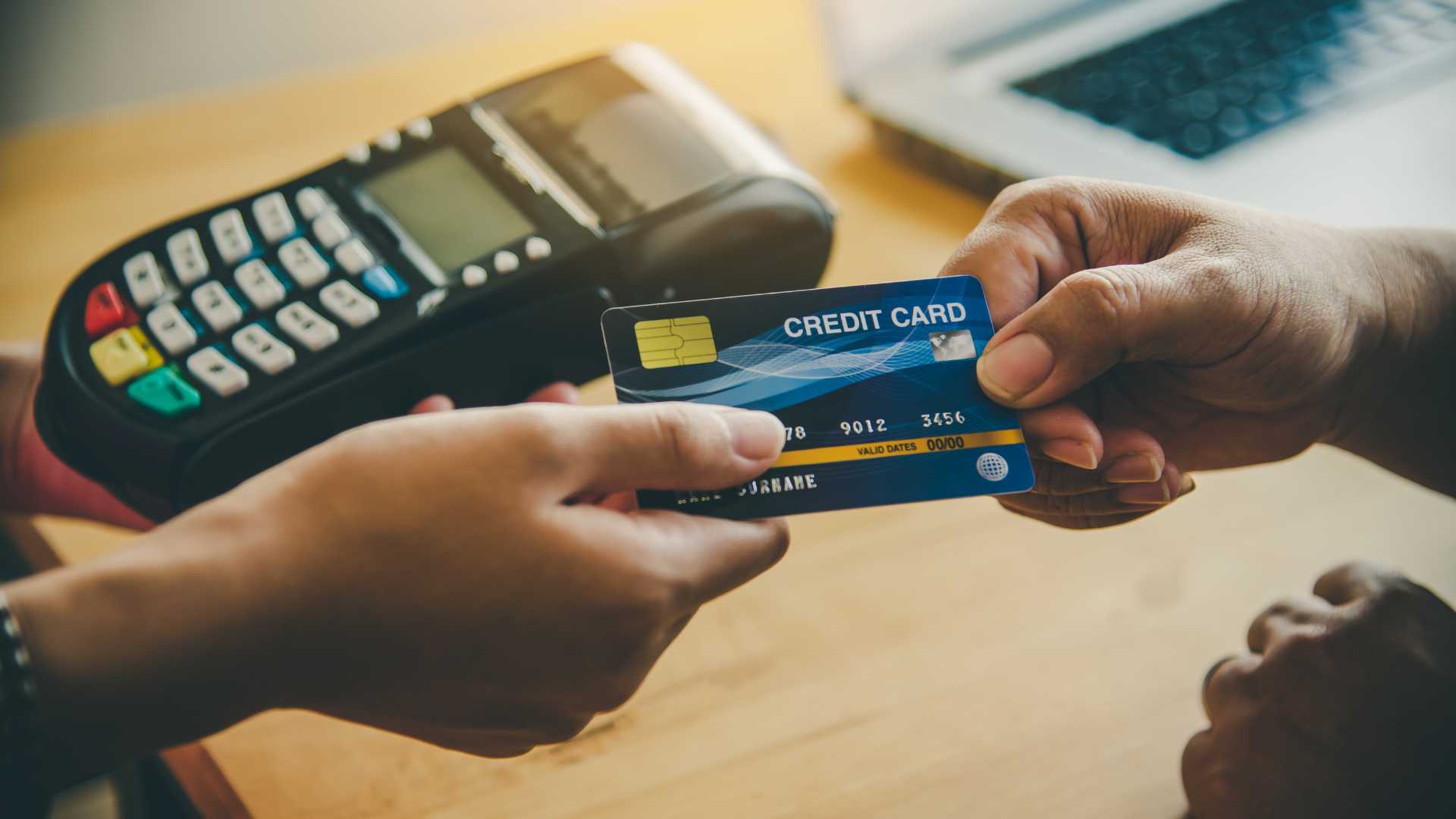
Modern POS systems must accommodate a variety of payment methods to cater to the evolving retail landscape. These systems should accept cash, credit and debit cards and even mobile payments. This flexibility enhances the shopping experience and increases the likelihood of sales completion. Integrating multiple payment methods helps businesses capture a broader customer base. Offering a comprehensive suite of payment options improves customer satisfaction and provides valuable insights into purchasing patterns, allowing for more informed strategic decisions that can drive sales and improve profitability.
Embracing a multi-payment approach positions businesses competitively in a changing market. Secure POS systems must comply with industry standards like the Payment Card Industry Data Security Standard (PCI DSS) to ensure security. This includes data encryption, secure user authentication, and regular security updates. This layered approach not only protects against data breaches and cyber threats but also fosters trust among customers who expect secure payment handling. Investing in a secure POS system is about safeguarding the integrity of both the business and its customers.
Customer Relationship Management (CRM)
A modern point-of-sale (POS) system should be capable of creating and managing detailed customer profiles, which are essential for personalizing marketing efforts and enhancing customer service. By storing essential information like purchase history, preferences, and personal details, businesses can gain deeper insights into their customers’ behaviors and needs, fostering a stronger connection between the business and its customers. Loyalty programs can significantly boost repeat business by providing a seamless and rewarding experience for customers.
Automated loyalty programs can automatically update loyalty points, allowing customers to redeem them for discounts or special offers on future purchases. Customizable loyalty programs can include tiered rewards, motivating customers to return. Automated communication tools within the POS can enhance customer engagement by sending personalized messages about upcoming promotions or birthday rewards.
A CRM-integrated POS system is a powerful tool for executing personalized email marketing campaigns, allowing businesses to target customers based on their unique preferences and purchase history. Businesses can craft tailored marketing messages that resonate with individual customers, increasing engagement and conversion, fostering a sense of connection between the brand and its customers. Automated follow-ups and personalized offers maintain ongoing communication with customers, ensuring they feel valued and appreciated.
Employee Management and Time Tracking
A modern POS system should have robust employee permissions management, allowing businesses to establish different access levels for staff based on their roles and responsibilities. This feature is crucial for safeguarding sensitive information, such as financial data, customer records, and inventory levels, by ensuring only authorized personnel can access or modify this data. Businesses can minimize the risk of data breaches and unauthorized actions that could lead to financial loss or compliance issues.
A well-structured employee permissions framework not only protects sensitive information but also fosters a culture of trust and responsibility among staff, contributing to a more secure and efficient workplace environment. Time tracking features in modern POS systems are invaluable for managing employee hours efficiently, streamlining payroll processing, and enhancing accountability. Employees can clock in and out directly through the POS interface, allowing for real-time monitoring of attendance and hours worked.
Detailed reports generated by the POS system provide insights into employee productivity and attendance patterns, enabling managers to make informed decisions regarding staffing needs and scheduling. Performance tracking is another crucial aspect of a modern POS system. By collecting real-time data on operational activities like transaction speeds, sales figures, and customer interactions, the POS transforms everyday transactions into actionable performance metrics.
This functionality enables managers to identify top performers who consistently exceed sales targets and identify areas where additional training or support may be necessary for underperforming staff. The ability to generate customizable reports enhances managerial oversight, setting clear performance benchmarks and goals tailored to individual employees or teams.
Security and Compliance
A secure POS system must adhere to the Payment Card Industry Data Security Standard (PCI DSS) to ensure secure processing of credit card transactions and protection of customer data. This involves implementing robust security measures such as firewalls, encryption during transmission, and updated software and hardware. Businesses must avoid storing sensitive information like credit card numbers and restrict data access to authorized personnel. Regular audits and vulnerability assessments are necessary to ensure ongoing compliance.
Data encryption is a crucial security measure in modern POS systems, using advanced encryption standards to convert sensitive data into unreadable code. End-to-end encryption further enhances security by maintaining protection throughout the transaction process. Compliance with industry standards mandates businesses to implement stringent encryption protocols to protect cardholder data. User authentication is another crucial aspect of modern POS systems, ensuring only authorized personnel can access sensitive data and functionalities.
Multi-factor authentication enhances security by requiring multiple forms of verification, such as a password combined with a fingerprint or a one-time code sent to a mobile device. Role-based access control manages user permissions by assigning specific access rights based on an employee’s role within the organization. Regular audits and updates of user roles and permissions further enhance security by addressing any changes in staff responsibilities or potential vulnerabilities.
Data and Analytics
A modern POS system should provide detailed sales reports that help businesses understand key business metrics, such as peak selling times, best-selling products, and performance indicators. These reports help businesses analyze sales trends, identify when customer demand is highest, and which products consistently generate revenue. By tracking these metrics, businesses can make informed decisions about inventory management, ensuring popular items are adequately stocked during busy periods and minimizing excess inventory of slower-moving products.
Insights from sales reports can guide marketing strategies, allowing businesses to tailor promotions and advertising efforts to highlight best-selling products or capitalize on seasonal trends. Understanding customer purchasing patterns through these reports can enhance customer relationship management efforts by enabling personalized marketing strategies that resonate with individual preferences. This allows businesses to collect and analyze data from various interactions, including sales transactions, customer interactions, and feedback.
This comprehensive data collection enables the creation of detailed customer profiles that highlight individual preferences, buying patterns, and frequency of purchases. This information can be used to tailor marketing strategies, enhance personalization efforts, and inform inventory management decisions. Advanced point-of-sale (POS) systems are essential for inventory forecasting, using historical sales data and predictive analytics to predict future inventory needs.This allows businesses to analyze sales trends, seasonal fluctuations, and customer purchasing behaviors, ensuring optimal stock levels and avoiding overstocking and understocking.
Mobile and Tablet Compatibility
Modern POS systems are crucial for businesses seeking flexibility and efficiency. These systems work seamlessly on portable devices like tablets and smartphones, allowing businesses to operate from virtually anywhere. For restaurants, mobile POS systems enable servers to take orders directly at the table, reducing errors and speeding up service. This enhances the dining experience and increases table turnover rates.
Mobile compatibility also extends businesses’ reach beyond fixed locations, allowing them to make sales at events, pop-up shops, or trade shows. Leveraging mobile technology allows businesses to enhance operational efficiency and customer satisfaction through quicker service and personalized interactions. The integration of features like real-time inventory updates and customer insights strengthens the effectiveness of mobile POS systems, making them a vital tool for modern retail and hospitality operations.
Offline Functionality
Modern POS systems provide a robust solution for businesses facing internet outages. These systems operate seamlessly without an active internet connection, allowing businesses to continue processing sales, managing inventory, and maintaining customer interactions. When the internet goes down, the POS automatically switches to offline mode, storing transaction data locally until connectivity is restored. This is particularly beneficial for businesses in areas with unreliable internet service or those operating in remote locations. Restaurants can take orders and process payments tableside without interruption, reducing errors and enhancing customer service.
Businesses participating in events, trade shows, or pop-up shops can make sales on the go without worrying about losing sales due to connectivity issues. Automatic syncing is a crucial feature in modern POS systems, ensuring that all offline transactions are synchronized with the cloud-based account once internet connectivity is restored after an outage. This functionality allows businesses to capture every sale made during offline periods without the risk of data loss. When the POS system reconnects to the internet, it automatically uploads all stored transaction data, updating inventory levels, sales reports, and customer profiles in real time. This minimizes manual data entry efforts, reducing the potential for human error and improving operational effectiveness.
Third-Party Integrations
Modern POS systems can be integrated with third-party applications to improve operational efficiency and customer engagement. Accounting software can simplify reconciliation by automatically syncing sales data, expenses, and financial reports, reducing manual data entry errors and ensuring up-to-date financial records. This allows business owners to focus on strategic decision-making rather than administrative tasks. The integration of ecommerce platforms allows for seamless management of online and offline sales, facilitating real-time tracking of orders, payments, and inventory across channels.
This is particularly beneficial for businesses operating both physical stores and online shops, as it provides a unified view of inventory levels. Marketing tools like email marketing platforms and social media channels can also be integrated to streamline promotional efforts. These third-party integrations not only improve operational workflows but also provide valuable insights that drive marketing strategies and enhance the customer experience, positioning businesses for sustained growth.
Customizability and Scalability
A modern POS system should prioritize customization and scalability to meet the unique needs of diverse businesses and support their growth trajectories. Adaptability is crucial, as businesses often require specific payment options, specialized reporting features, or tailored interfaces to align with their operational workflows. A highly customizable POS solution like Telvoip allows for these adjustments without the constraints of rigid systems. As companies expand, their POS should be capable of scaling seamlessly, accommodating additional users, locations, and features without necessitating a complete system overhaul.
This scalability ensures that the POS can handle higher transaction volumes and increased operational complexity efficiently. A scalable POS can integrate with new technologies and third-party applications, enhancing functionality and allowing for real-time inventory management across various sales channels. This strategic approach not only enhances customer experiences through improved service delivery but also supports long-term growth by providing the infrastructure necessary to grow.
Customer Support
When choosing a POS system, customer support is a critical factor that can significantly impact the user experience and operational efficiency. Telvoip provides 24/7 customer support ensuring that businesses are never left without assistance, especially during peak hours or critical sales events when technical issues can arise unexpectedly. Having access to round-the-clock support means that any disruptions can be addressed promptly, minimizing downtime and maintaining smooth operations. In addition to responsive customer service, we offer comprehensive training resources that empower both management and staff to maximize the system’s capabilities.
These resources include a variety of formats, such as detailed tutorials, instructional videos, and live support sessions, catering to different learning styles and ensuring that users feel confident in navigating the system. Effective training not only enhances user proficiency but also reduces the likelihood of errors and inefficiencies that can arise from misunderstandings or lack of knowledge about the system’s features. Investing in a POS solution that offers strong customer support and comprehensive training resources allows businesses to create a more productive work environment, boost employee satisfaction, and ultimately improve customer service by empowering staff to use the system efficiently and effectively.
Conclusion
A modern point-of-sale (POS) system like Telvoip is crucial for businesses as it can transform operations beyond transaction processing. Our solution offers features like cloud-based capabilities, omnichannel integration, payment flexibility, and detailed analytics, enhancing efficiency and customer satisfaction. Prioritizing systems that offer scalability, security, and a user-friendly experience is essential for maintaining competitiveness. Telvoip integrates with various business functions, ensuring fluid operations during growth or change.
It facilitates real-time data access from anywhere and supports automatic syncing of transactions and inventory management across multiple locations. By taking advantage of Telvoip’s advanced features, businesses can adapt to new payment methods and technologies effortlessly while benefiting from enhanced security measures. Selecting a modern POS system that emphasizes customization and scalability positions businesses to thrive in the growing retail environment, enabling them to meet customer demands effectively while streamlining operational processes.


